Dear Friends of KIPAC,
Happy Fall!
This year has brought huge milestones in our scientific journey to deepen our understanding of the universe, despite very real challenges to science, innovation, and the academic community as a whole.
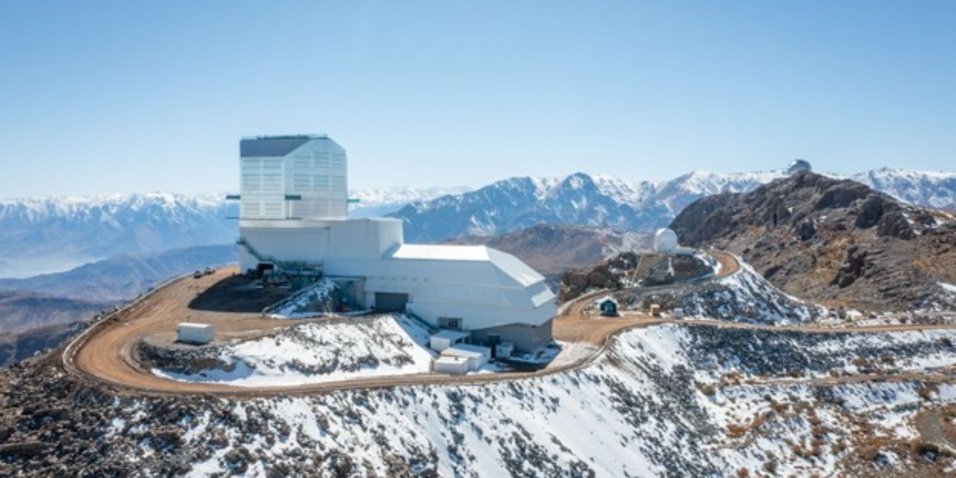
After more than twenty years of leadership – from incubating the original ideas to building and delivering the world’s largest digital camera to the mountaintop in Chile, to preparing to process and host the data at the Rubin US Data Facility – KIPAC, Stanford, and SLAC joined the world in celebrating the “First Look” at the universe through the incredible eyes of the 3.2 Gigapixel LSST Camera at the Vera C. Rubin Observatory. The results were nothing short of spectacular and we can't wait to see what the Legacy Survey of Space and Time will bring when it officially kicks off in the very near future.
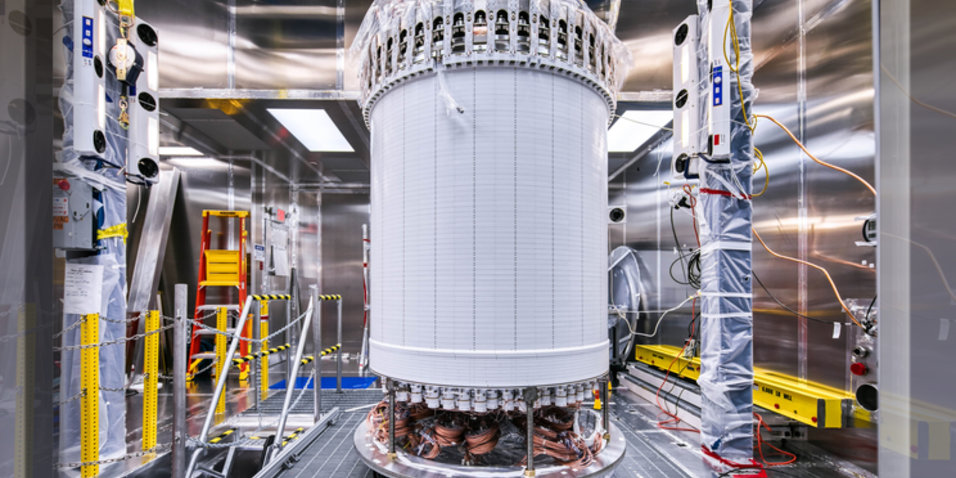
It has been an exciting time for KIPAC on many other fronts, including our first year of Stanford observing time on the Magellan Telescopes, the start of operations for the Simons Observatory and SuperCDMS, and continued progress on the Phase A NASA probe mission AXIS. Our new Center for Decoding the Universe @ Stanford, a partnership between KIPAC and Stanford Data Science, is celebrating a very effective first year, which has already brought new capabilities in AI and data science and new collaborations with colleagues in computer science, engineering, and statistics.
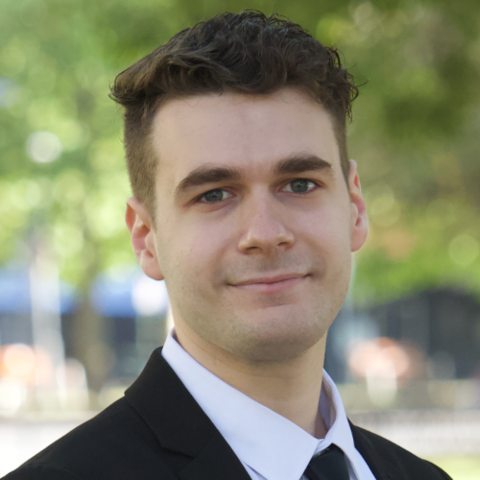
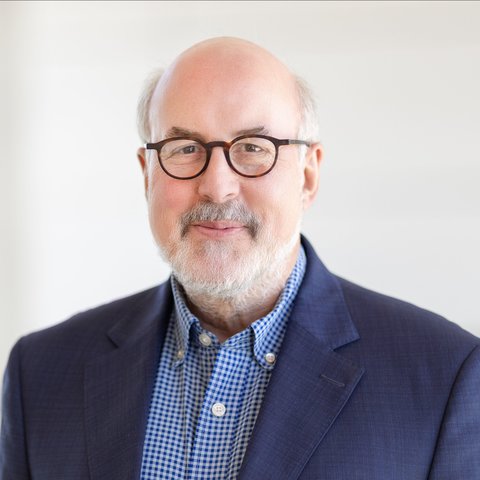
As always, the best part of KIPAC is its members, and we are thrilled to welcome so many new postdoctoral fellows and graduate students from all over the world to join us, as well as new faculty – Oliver Philcox (Assistant Prof of Physics; member of LITP and KIPAC) joined us this fall and Josh Frieman (Associate Lab Director for Fundamental Physics and Professor of Particle Physics and Astrophysics at SLAC) joined us in March.
Despite the challenges we face, we remain optimistic that KIPAC is incredibly well-positioned to weather the storms before us and continue to deliver amazing science and nurture a welcoming and vibrant community.
Wishing you and yours all the best in this new academic year,
Risa Wechsler
Director, Kavli Institute for Particle Astrophysics and Cosmology
Stanford University and SLAC National Accelerator Laboratory
Congratulations to KIPAC!

KIPAC Director and faculty member Risa Wechsler was elected to the National Academy of Sciences in recognition of her distinguished and continuing achievements in original research in astrophysics and cosmology.
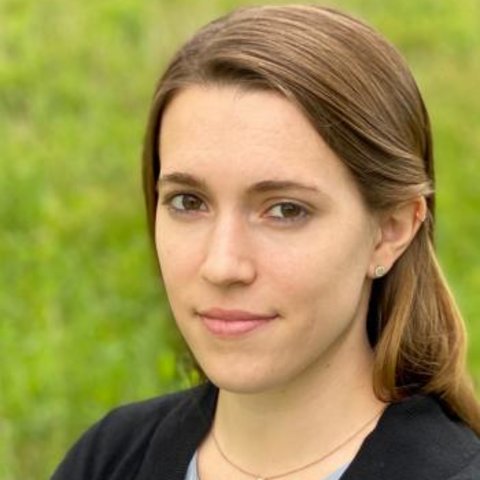
Faculty member Susan Clark was awarded the Helen B. Warner Prize by the American Astronomical Society for her seminal contributions to our knowledge of cosmic magnetism and the development of innovative observational techniques for studying the interstellar medium. She was also honored the Stanford Faculty Women’s Forum Inspiring Early Academic Career Award for creating a culture of inclusion and belonging for students and trainees at all levels.

Outreach & Engagement Manager Xinnan Du was awarded the Stanford IDEAL Honor Roll for her demonstrated commitment to advancing diversity, equity, inclusion and belonging efforts at the university.
Postdoctoral scholar Peter Marinos won first prize in Action and Impact on Campus in the Stanford Doerr School of Sustainability photo contest with his photo “Star Trails at the Stanford Student Observatory.”

The Fermi/LAT team, led by KIPAC faculty member Peter Michelson, was honored with the Giuseppe and Vanna Cocconi Prize by the European Physical Society for revolutionizing the field of gamma-ray astronomy.

KIPAC was awarded 3 Kavli Institute Collaboration Kickstarter (KICK) grants, which aim to spark innovative research projects and scholarly pursuits by bringing researchers together from two or more different Kavli Institutes. The 3 awarded projects include:
- Novel Materials for Dark Matter Detection: KIPAC (Lead: Noah Kurinsky) and Kavli Institute for Cosmological Physics (KICP; Lead: Clarence Chang)
- Advancing Constraints on Inflation in the Early Universe: KIPAC (Lead: Kimmy Wu) and KICP (Lead: Abigail Vieregg)
- Lightspeed Pulsar Tests of CMOS for Astrophysics: KIPAC (Lead: Roger Romani; Co-lead: Jack Dinsmore) and the Massachusetts Institute of Technology Kavli Institute for Astrophysics and Space Research (Lead: Kevin Burdge; Co-leads: Rob Simcoe, Juliana Garcia-Mejia)
Science & Research Highlights
On June 23, 2025, the Vera C. Rubin Observatory unveiled its first science imagery — the “First Look.” The images and videos, captured in just about 10 hours of test observations, already reveal breathtaking detail: millions of galaxies, countless stars of our Milky Way, thousands of previously undetected asteroids, and stunning views of nebulae such as the Trifid and Lagoon. These early images provide a glimpse of Rubin’s upcoming 10-year Legacy Survey of Space and Time (LSST), which will continuously scan the southern sky, creating a time-lapse view of the cosmos.
As key contributors to the Rubin project, KIPAC scientists at Stanford and SLAC — who have been working on Rubin/LSST for more than 20 years — had a special moment of celebration. An internal “First Look” watch party was held at SLAC with project leads and more than 100 scientists. In addition, a special public lecture was hosted on the Stanford campus, where attendees toured the first images and learned about Rubin’s capability for unprecedented discoveries in cosmology, Milky Way science, and transient astronomy. The event drew wide interest, attracting nearly 1000 live participants both in person and online.
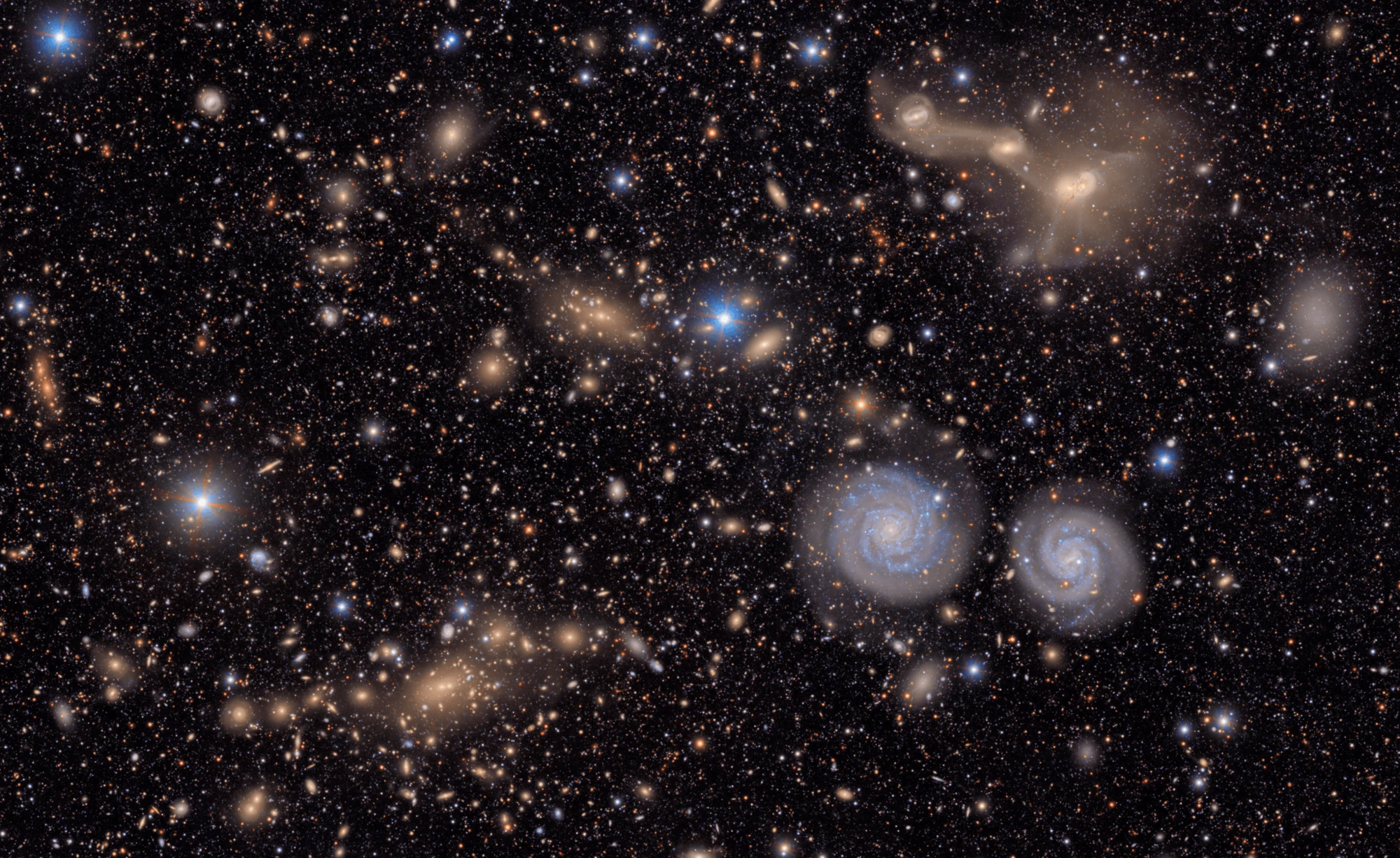
In March 2025, the Dark Energy Spectroscopic Instrument (DESI) collaboration announced Data Release 1 (DR1), which includes all data acquired during the first 13 months of the DESI main survey as well as a uniform reprocessing of the Survey Validation data. The DR1 main survey contains spectra of 18.7 million objects, including galaxies, quasars, and stars, making it the largest sample of extragalactic redshifts ever assembled.
The DESI team also released new analyses based on its first 3 years of observations, mapping nearly 15 million galaxies and quasars across about 11 billion years of cosmic history. While the DESI observations alone remain consistent with the standard cosmological model (ΛCDM), the data suggest that the effect of dark energy may be gradually weakening over time when combined with other measurements such as supernovae, the Cosmic Microwave Background, and weak lensing.
Most recently, the DESI Collaboration has been awarded the 2026 Lancelot M. Berkeley – New York Community Trust Prize for Meritorious Work in Astronomy by the American Astronomical Society (AAS).

Meet Our New Senior Members



New Postdoc Fellows

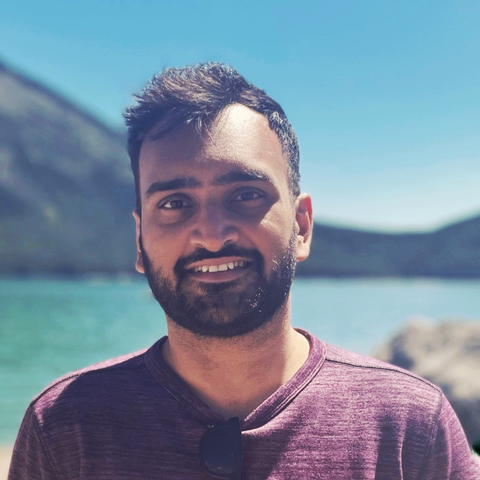
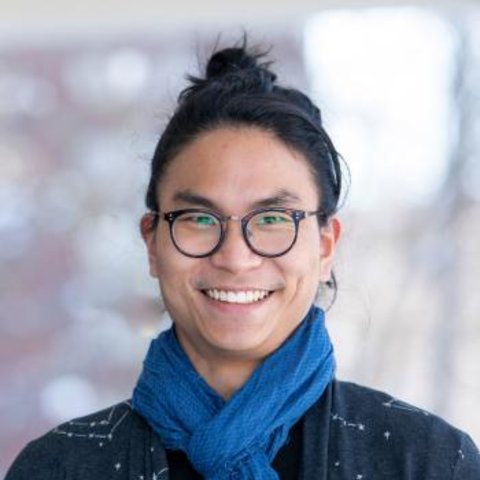
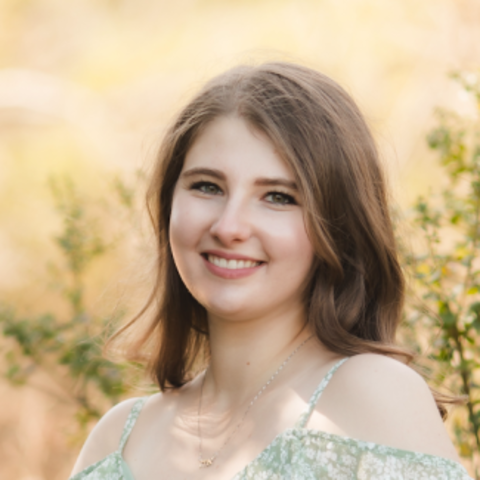


Several other fantastic scientists have also joined us recently as KIPAC Fellows and SLAC Research Associates. These include Chris Byrhol, John Franklin Crenshaw (KIPAC Rubin Fellow), Alex Droster, Narayan Khadka (Rubin Observing Specialist), Shun-Sheng Li (KIPAC Rubin Fellow), Aditi Pradeep (SLAC Research Associate), Rui “Ray” Shi, and Tanvi Wamorkar (SLAC Research Associate).
Inspiring the Public and Future Generations
KIPAC is proud to continue offering a wide range of educational opportunities and sharing the latest discoveries in astrophysics with K-16 students, families, and the general public. In the past several months, in addition to our regular programming — public lectures, stargazing nights, SPINWIP, and Noches Astronómicas—we highlight two major milestones:
KIPAC received Stanford’s Office for Community Engagement Impact Fund to partner with the East Side Union High School District (ESUHSD), which serves nearly 25,000 under-resourced students across 19 schools. This grant supports field trips to Stanford, guest lectures in classrooms, and participation in district science and career events, directly engaging hundreds of ESUHSD students in STEM learning and career exploration.


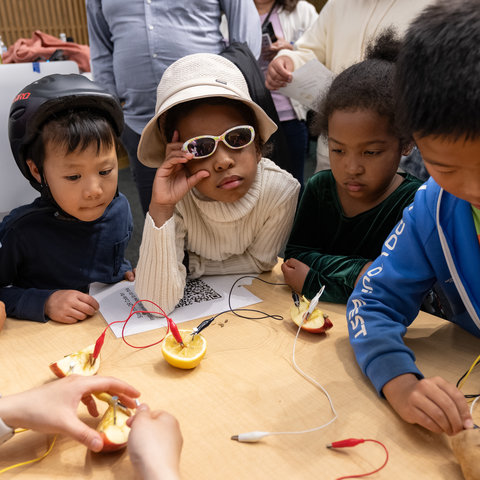
The “KIPAC + Friends” Community Day in April 2025 was a huge success! Building on the 20th anniversary Community Day, this year’s event celebrated “space” with 9 Stanford STEM departments (including Aerospace Engineering and Materials Science) and 3 external partners (NASA, SETI Institute, UC Observatories). Thanks to the leadership of the organizing committee (Xinnan Du, Linda Xu, Tonya Peshel, Phil Mansfield, Maya Belezney, and León Garcia) and the dedication of 170+ volunteers, the 4-hour event featured around 30 hands-on activity stations and 11 short lectures across STEM fields. It drew more than 7000 attendees — a record in many ways!
We have an exciting lineup of events coming this fall and look forward to seeing you there. Want to be notified when we have an event scheduled? Sign up for the KIPAC outreach mailing list and we will be touch!

Congratulations to the New PhDs


KIPAC in the News
- Remote Eyes on the Sky: Inside SLAC’s Rubin Control Room, Sep. 18, 2025 | SLAC News
- The Universe, Decoded, Sep. 9, 2025 | Stanford Momentum
- The Bold Bet That Built a Telescope, June 23, 2025 | Stanford Report
- Ready, Set, Process: Preparing for Rubin Observatory’s Data Deluge, May 15, 2025 | SLAC News
- Preparing for the Greatest Cosmic Movie Ever Made, Apr. 11, 2025 | Vera C. Rubin Observatory
News stories on Rubin's First Look
- Vera C. Rubin Observatory Captured This Cotton Candy Nebula, Here’s What It Will Capture Next, July 1, 2025 | The Discover Magazine
- A New Camera, Built in the Bay Area, Brings the Mysteries of the Universe Into Focus, June 24, 2025 | KQED
- Bay Area Built Camera Captures Photos of the Universe Like Never Before, June 23, 2025 | KPIX
- This Observatory’s First Images Are Stunning — And Just the Start, June 23, 2025 | NPR
- First Images From the Largest Camera Ever Built Reveal Millions of Galaxies, June 23, 2025 | CNN Science
- Majestic First Images From Rubin Observatory Show Universe in More Detail Than Ever Before, June 23, 2025 | Scientific American
Research Blog Posts
For more science and research highlights, please check our latest news.

Beyond Light: New Frontiers in the Oldest Science - Part 2
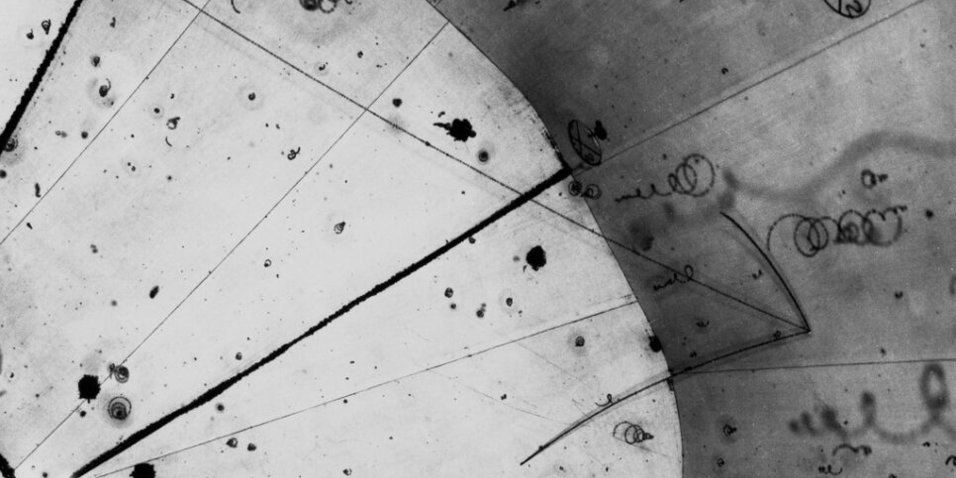
Beyond Light: New Frontiers in the Oldest Science - Part 1