Research Highlights
Research Highlights
-
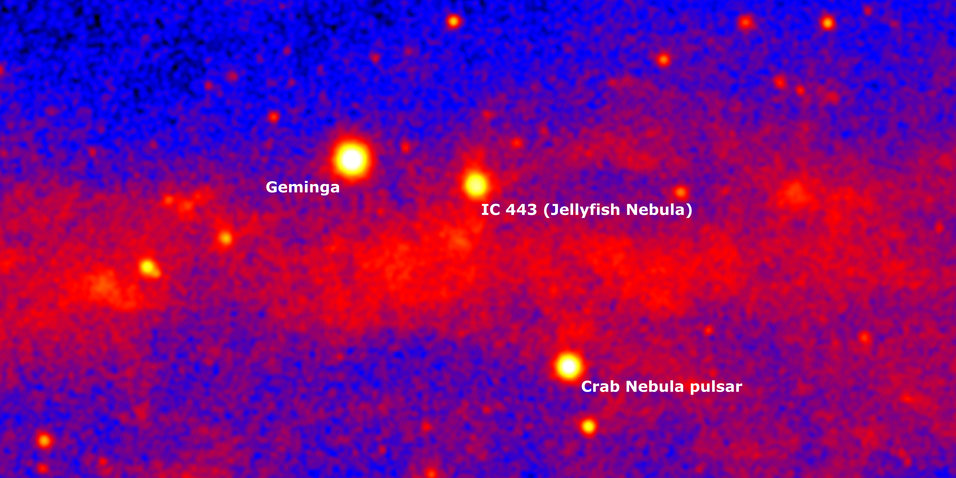
All in the family: Fermi data links supernova siblings
A study led by KIPAC members and using Fermi/LAT data has uncovered compelling evidence that two neighboring supernova remnants (SNRs), the debris left behind after stars explode, are actually the remains of massive companion stars that once orbited each other before exploding tens to hundreds of thousands of years apart. The study has been published in Nature Communications.
-
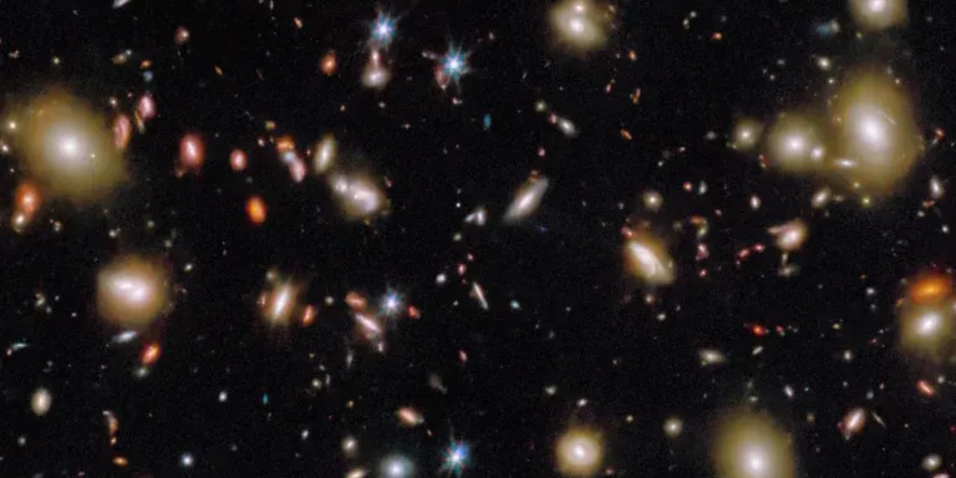
Probing the Elements Produced by the First Stars
Imagine a universe devoid of all elements apart from hydrogen, helium, and lithium. That was the state of the Universe until the formation of the first stars, around a hundred million years after the Big Bang. These stars began to forge the elements we see today through nuclear fusion and dispersed them via supernovae explosions in a process known as enrichment. Relic second-generation stars preserve the elements produced by the first stars. They allow us to study initial enrichment in detail.
-
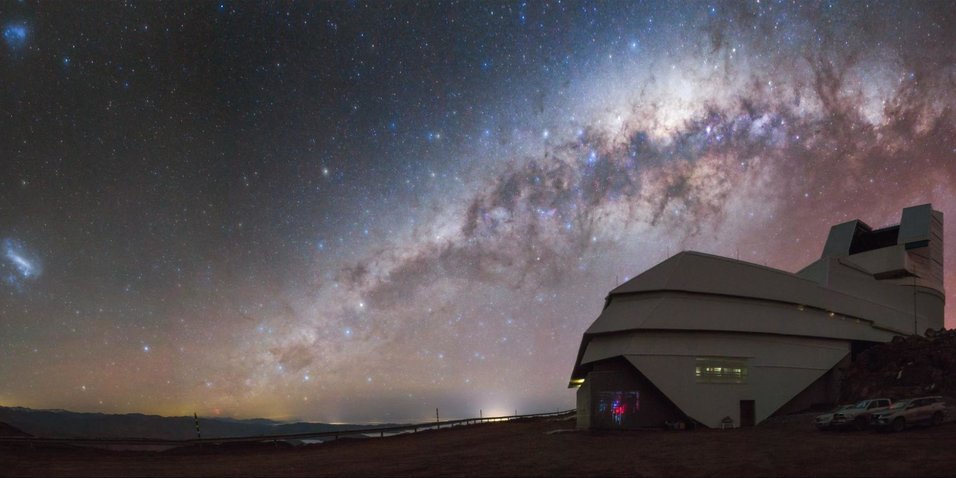
A New Era of Cosmic Mapping Begins: The Vera C. Rubin Observatory in Final Countdown to its 10-Year Legacy Survey
The Vera C. Rubin Observatory is poised to launch its 10-year Legacy Survey of Space and Time. After years of work by over 2,000 scientists and engineers worldwide, this survey will reshape our view of the dynamic Universe. What’s unfolding now, and what Universe will LSST reveal?
-
Capturing the Dynamic Millimeter Universe
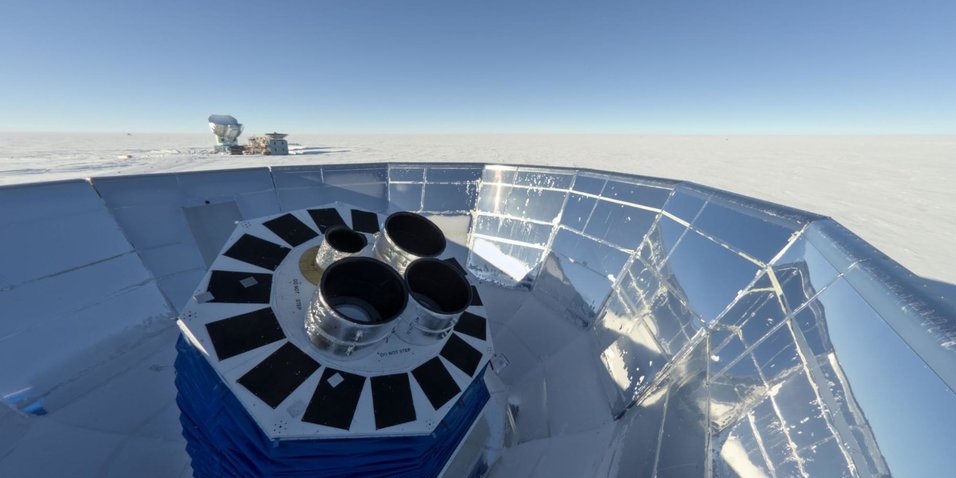
Much of our understanding of cosmology is anchored in observations of the cosmic microwave background (CMB), the oldest light in our Universe. An ongoing major upgrade to the Simons Observatory will soon allow us to survey the sky faster and more sensitively, allowing us to pierce deeper into the static CMB while simultaneously capturing the transient events that make up our dynamic Universe.
-
Probing the Accretion onto Supermassive Black Holes with X-ray Reverberation
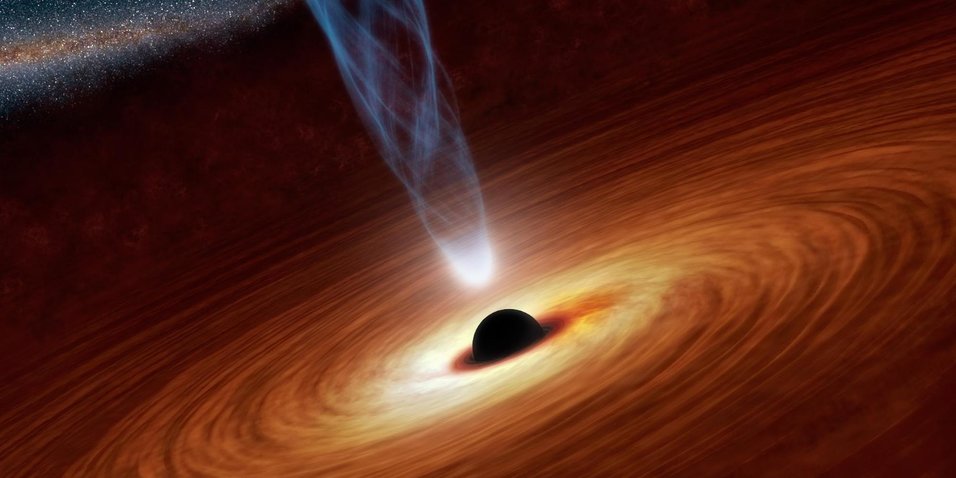
Supermassive black holes (SMBHs) are millions to billions of times more massive than the sun. How SMBHs work is one of the key questions in astrophysics because they test the behavior of matter in strong gravitational fields, and their growth is strongly connected to how galaxies themselves evolve. Their X-ray emission can unveil the structure of the SMBH system.
-
Nature’s Ultimate Particle Accelerators
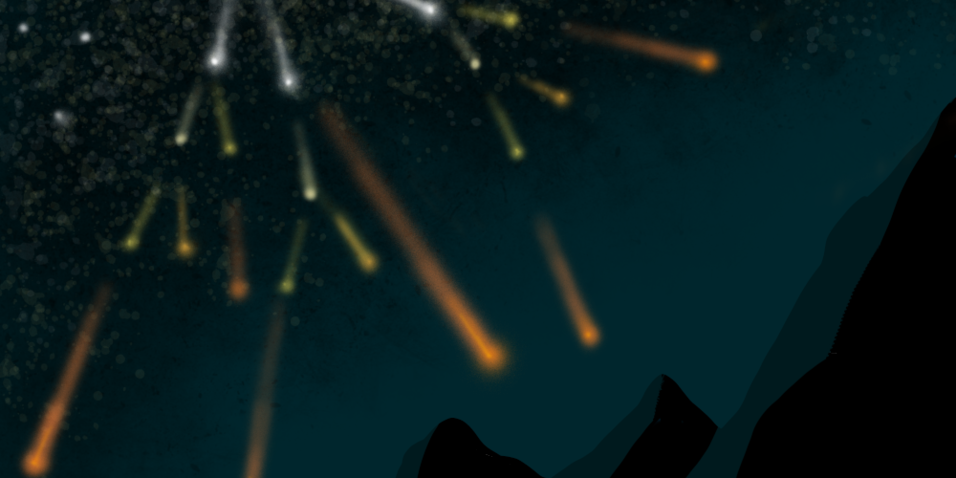
Right now, a few relativistic particles are passing through your head every second at the speed of light. They have more than ten million times more energy than our best particle accelerator can achieve, and scientists still don’t know how nature does that!
-
Beyond Light: New Frontiers in the Oldest Science - Part 2
This century, astronomy will push beyond the confines of light and begin to detect new signals such as neutrinos, cosmic rays, and gravitational waves in multi-messenger astronomy
-
Beyond Light: New Frontiers in the Oldest Science - Part 1
In the last post, we talked about astronomers pushing frontiers of knowledge. Gravitational waves represent perhaps the most peculiar frontier beyond light.
-
Looking for Light from the Invisible
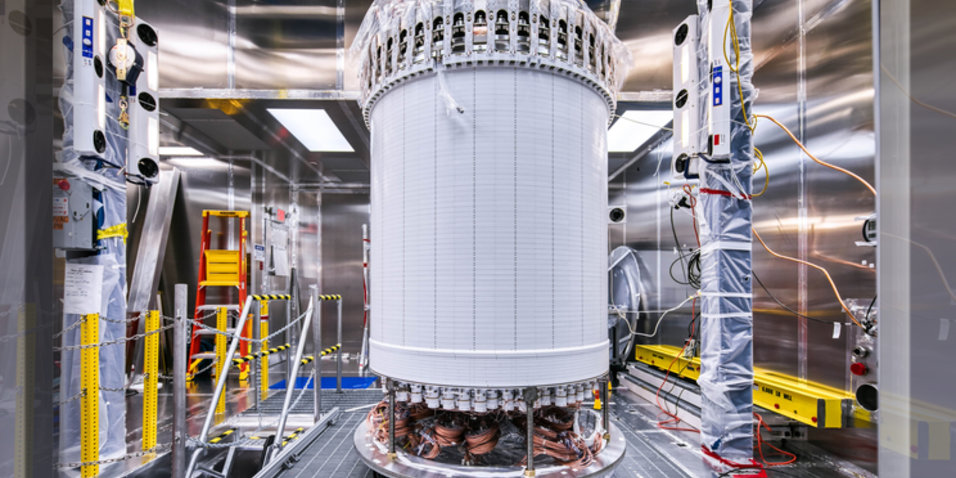
Several KIPAC members are running an experiment (LUX-ZEPLIN) almost a mile underground in South Dakota, looking for evidence of the invisible: dark matter!
-
Resonating with Dark Matter with ADMX-VERA
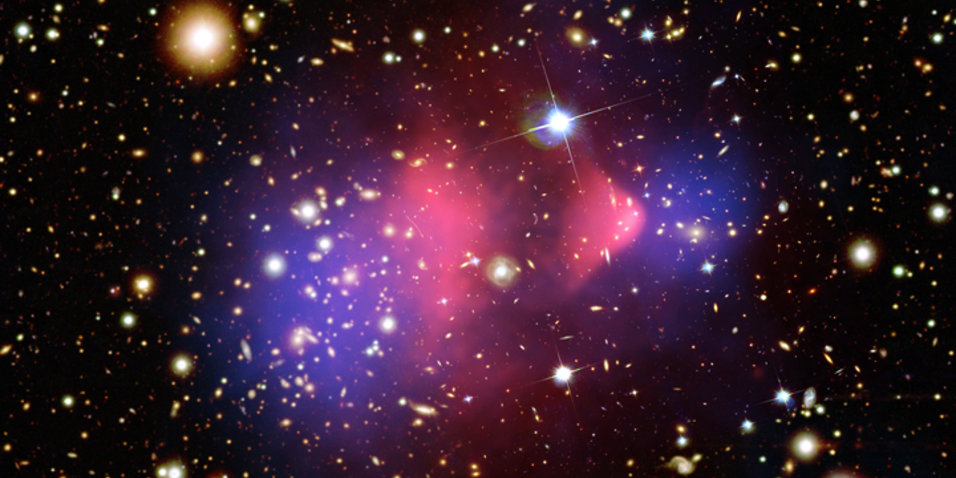
The Universe has an invisible skeleton made of particles we can’t describe in our current theories, known only as dark matter.
-
Single-electron Sensitive Readout / SiSeRO: A novel X-ray detector technology for future astronomy missions
X-ray astronomy unlocks a hidden universe of extreme events: from black holes and exploding stars to heated gas in galaxy clusters.
-
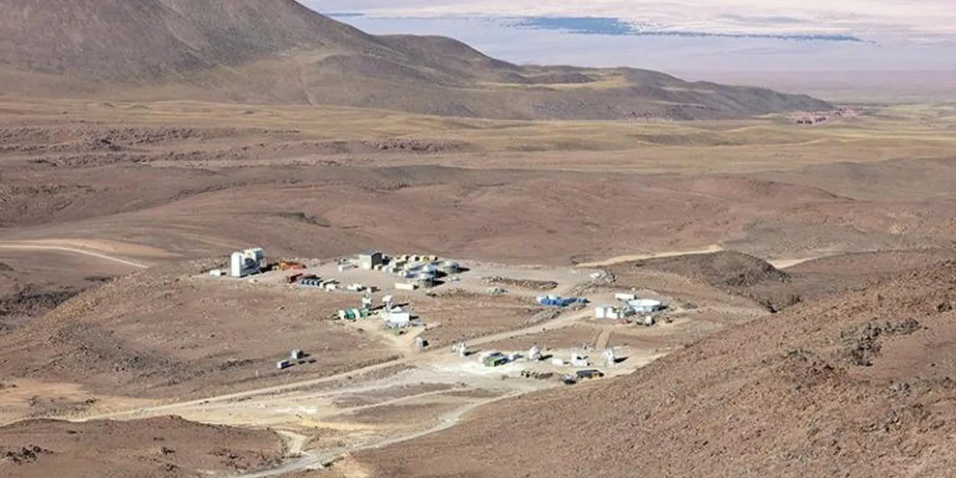
Spotting the Universe’s oldest light from the Atacama Desert
The Simons Observatory, a cosmic microwave background (CMB) experiment which will soon begin to map this ancient light with exquisite precision