A New Era of Cosmic Mapping Begins: The Vera C. Rubin Observatory in Final Countdown to its 10-Year Legacy Survey

Perched high in the Chilean Andes, the NSF-DOE Vera C. Rubin Observatory is poised to launch its landmark 10-year Legacy Survey of Space and Time (LSST). After years of work by over 2,000 scientists and engineers worldwide, this deep-and-wide survey will reshape our view of the dynamic Universe.
Atop Cerro Pachón, every team—from optics to data systems—is racing to survey readiness. What’s unfolding now, and what Universe will LSST reveal?
Rubin Observatory: Engineering Marvels Meet Andean Splendor
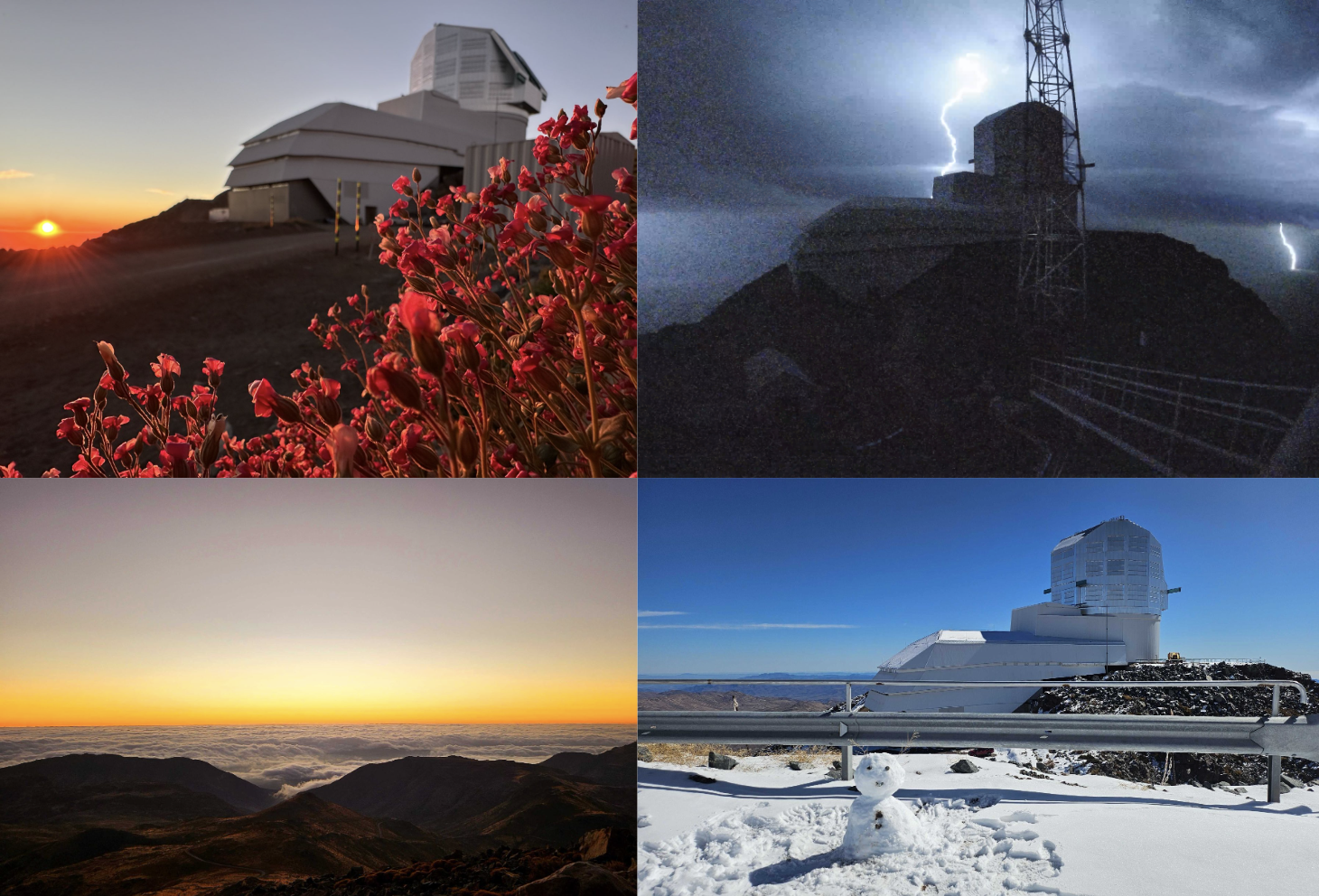
Every day, shuttle buses transport a dedicated team of experts to the 2,647-meter summit of Cerro Pachón and the Rubin Observatory. This high-altitude haven, renowned for minimal light pollution and surrounded by the Andes mountains, provides the perfect vantage point for the Vera C. Rubin Observatory to decode the mysteries of the Universe.
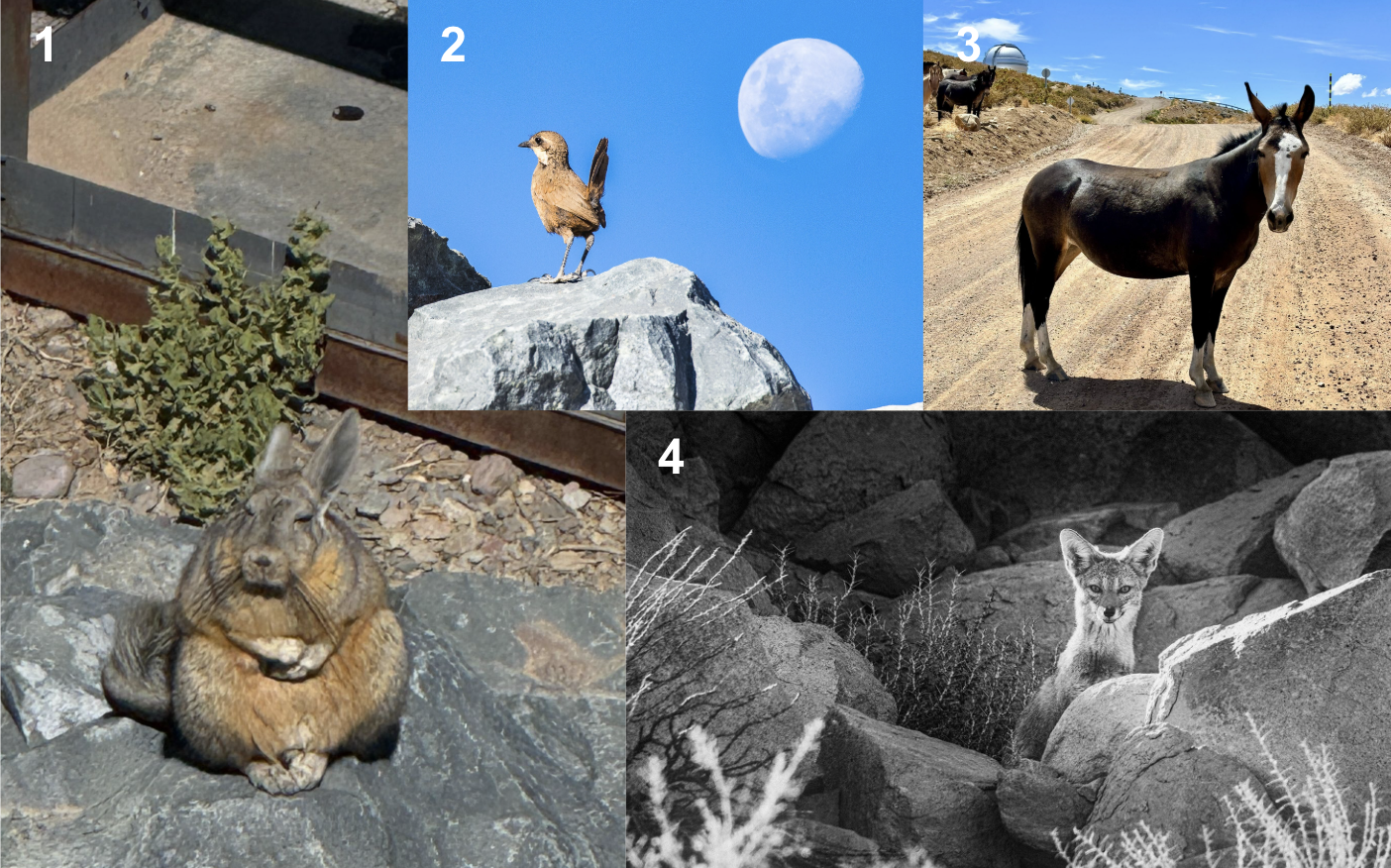
Beyond the cutting-edge engineering, life on the summit follows a unique rhythm. During the Chilean spring and summer, staff often spot viscachas sunbathing (1) or zorros navigating the rocky terrain (4). These wildlife encounters offer a moment of relief and highlight the beautiful convergence of pristine nature and world-class science.
A Breathless Year of Rubin Commissioning
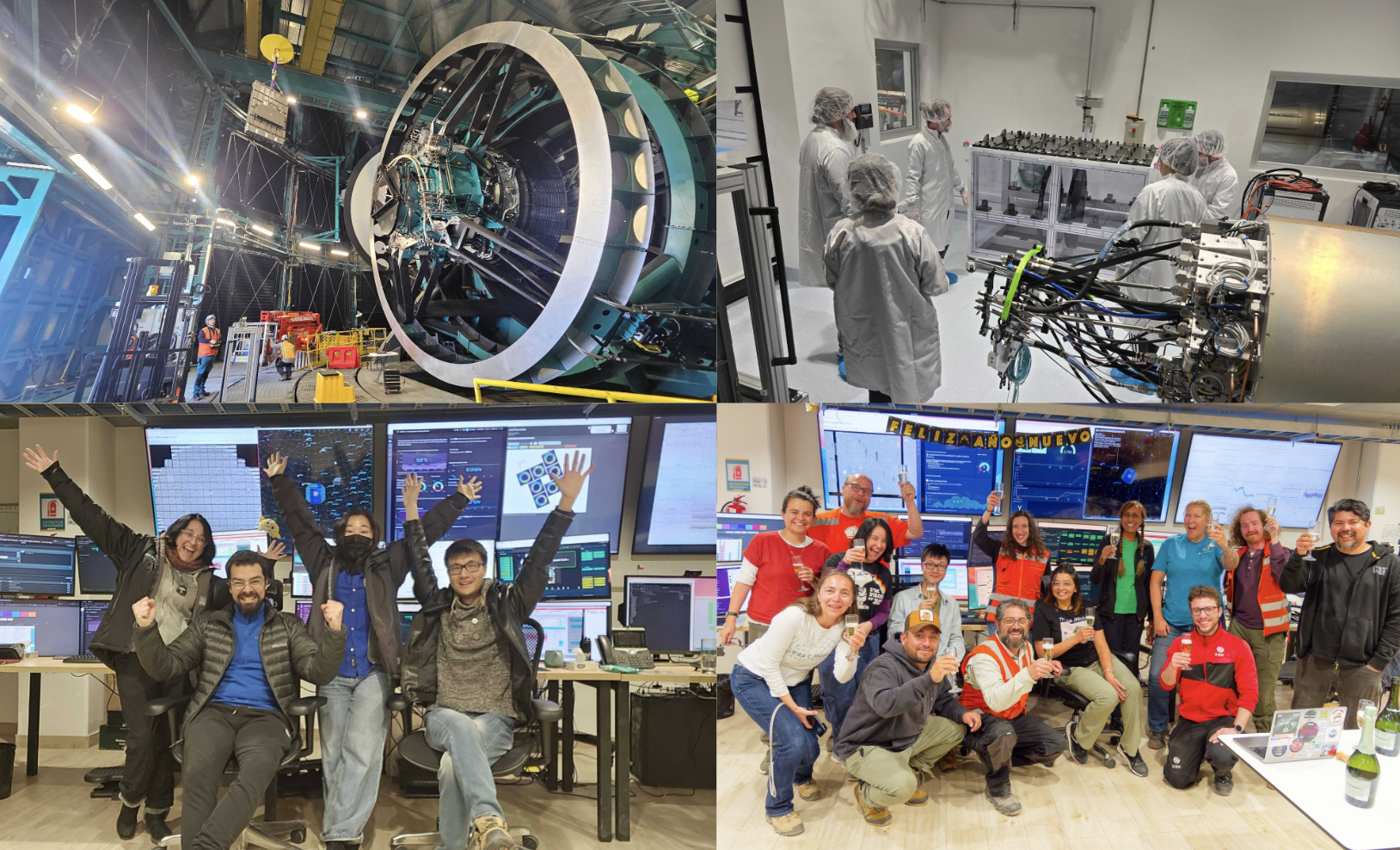
The road to the LSST 10-year survey has been a sprint driven by the relentless dedication of 2,000 professionals. This historic journey began on October 24, 2024, with the ComCam campaign (Oct 24 – Dec 11), testing the end-to-end functionality of our hardware and software with the commissioning camera (ComCam). By April 17, 2025, the momentum surged with the installation of the full 3.2-gigapixel LSST Camera. This engineering masterpiece, with a 9.6° field of view, was built by the expert teams at KIPAC and SLAC, with KIPAC members driving its success from construction through advanced data processing.
The world stood in awe on June 23, 2025, when the “First Look” data were unveiled, showcasing stunning clarity that hinted at the discoveries to come. This success paved the way for the official transition to operations on October 25, 2025. Finally, on February 24, 2026, we reached the ultimate milestone: the launch of the Rubin Real-Time Discovery Alert, which captured 800,000 transient alerts in just a single night. These alerts help astronomers quickly identify, follow up, and investigate astronomical events such as supernovae, AGN, asteroids, and other rapidly changing objects in the sky. Over time, the alert system will also enable the creation of the largest catalog of variable objects ever assembled, opening a new window on the dynamic universe.
After years of painstaking preparation and tireless collaboration, the Vera C. Rubin Observatory now stands at the threshold of its historic 10-year LSST survey—set to catalog 17 billion stars, 20 billion galaxies, and millions of transient phenomena, bringing us closer to a deeper and more complete understanding of our Universe.
Behind the scenes: Working at the Rubin Observatory
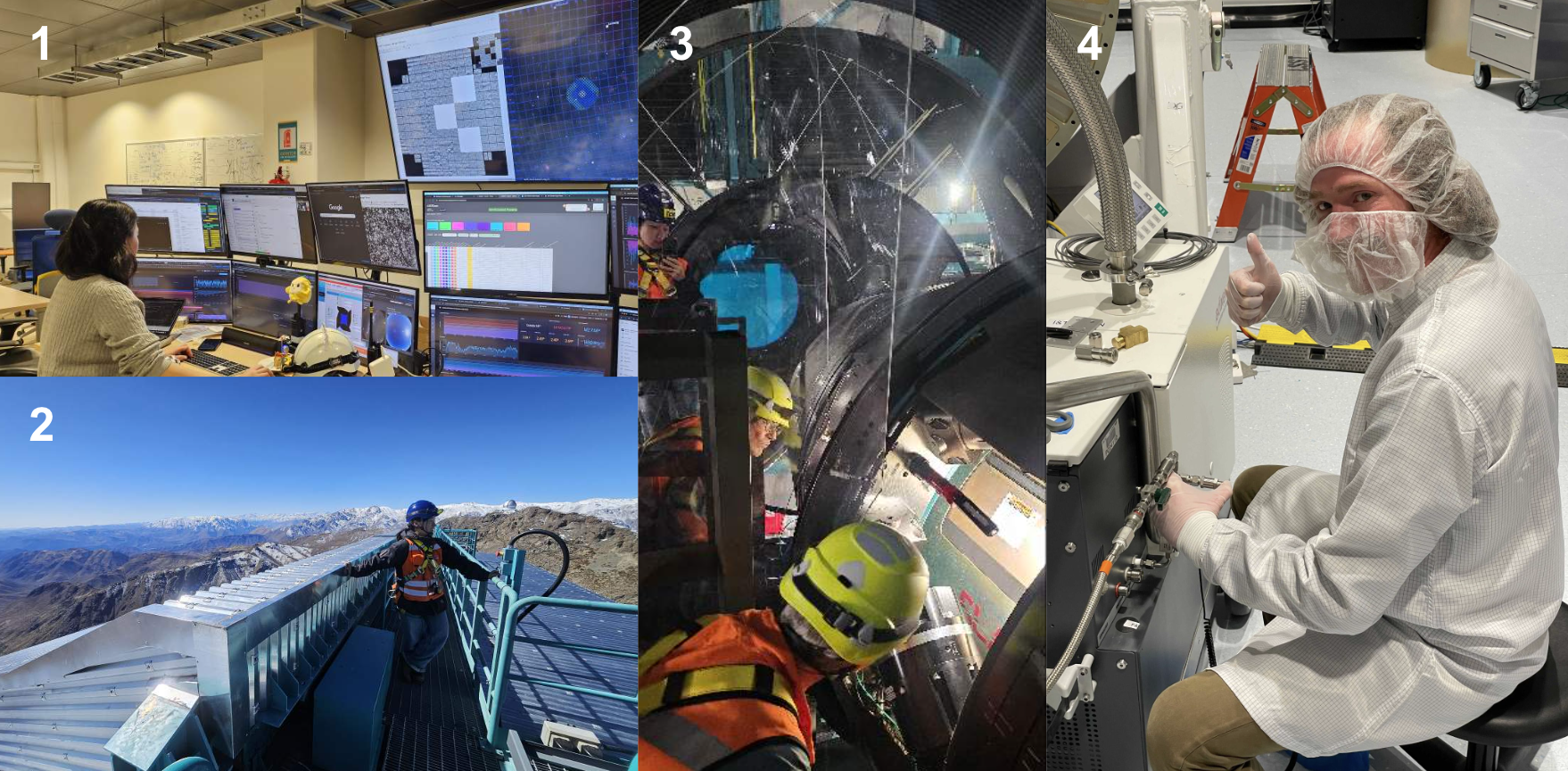
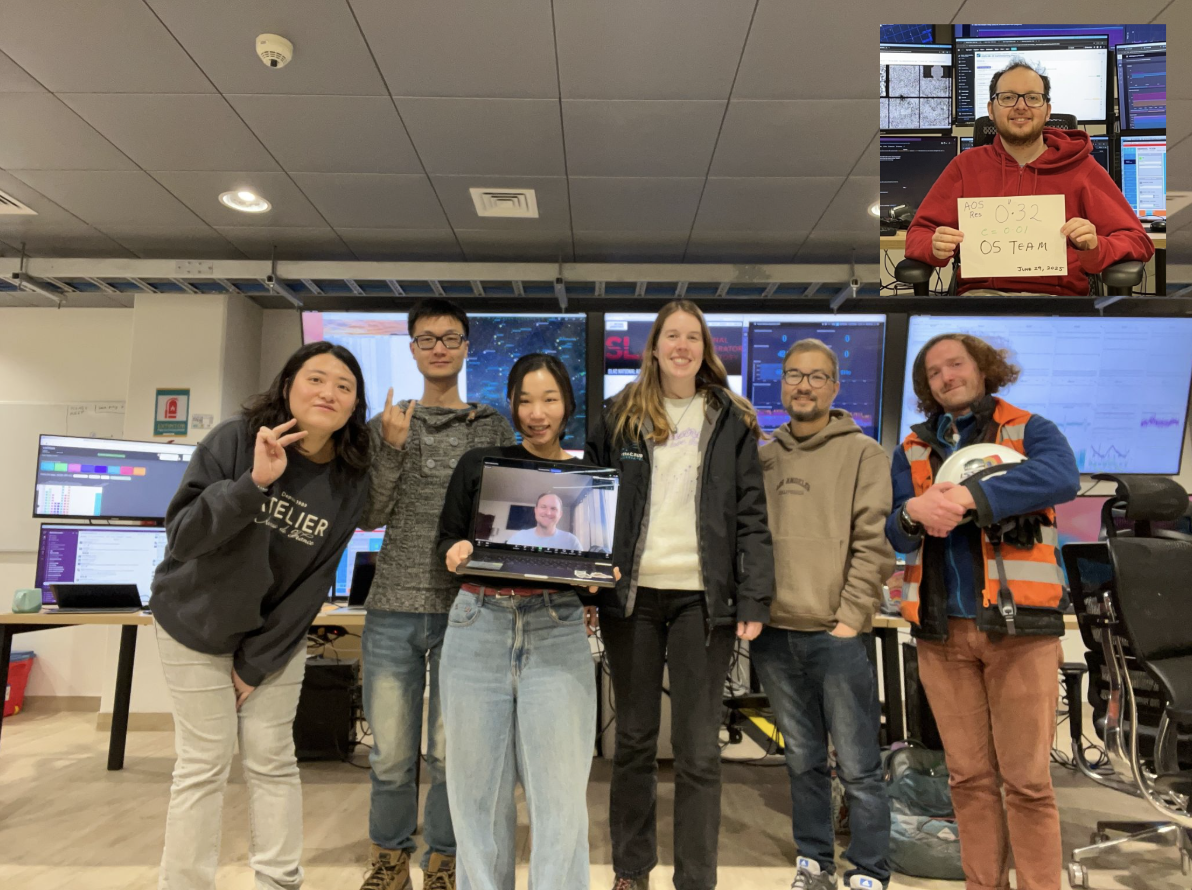
As the Vera C. Rubin Observatory stands on the cusp of its 10-year survey, the Observing Specialist team is emerging as the key players behind its nightly operations. This group of 17 professionals—including six KIPAC postdocs like me—is taking on an increasingly vital role, managing 24/7 operations on 12-hour rotating shifts (9 AM–9 PM for the day crew and 8 PM–8 AM for the night crew), amid the demanding environment of Cerro Pachón.
As frontline operators, we bridge the gap between complex engineering and science. Our responsibilities are expanding as we move into full survey mode; we collaborate closely with Camera, Active Optics, and Commissioning teams, often performing hands-on troubleshooting inside the dome to protect the telescope’s optics. KIPAC members are at the core of these efforts, driving the observatory's success as the survey launch approaches.
From the ComCam campaign and the LSSTCam installation to the Rubin Alert System launch, we have celebrated every milestone as a team. We take immense pride in our work, knowing that our collective expertise is shaping the future of observational astronomy and expanding our understanding of the Universe, one night at a time. As we stand at the threshold, we are ready to usher humanity into a new era of discovery. The map of our Universe is about to be rewritten.
Edited by Toby Satterthwaite, Lori Ann White, and Ben Sherwin
Related Research Areas

Physics of the Universe
At KIPAC, we are working to understand the physics that shapes the origins, evolution and fate of the Universe.
Cosmic Ecosystems
Cosmologists at KIPAC study the structure of the Universe from nearby galaxies and their satellites to the distribution of galaxies on the largest scales across the Universe.Related People

Minhee Hyun
Postdoctoral Scholar
Yijung Kang
Res Assoc-Rubin Observatory
Shuang Liang
Research Associate
Kate Napier
Res Assoc-Rubin Observatory
Narayan Khadka
Rubin Observing Specialist
Kevin M. Fanning
Res Assoc-Rubin Observatory
John Franklin Crenshaw
Postdoctoral Scholar