Dear Friends of KIPAC,
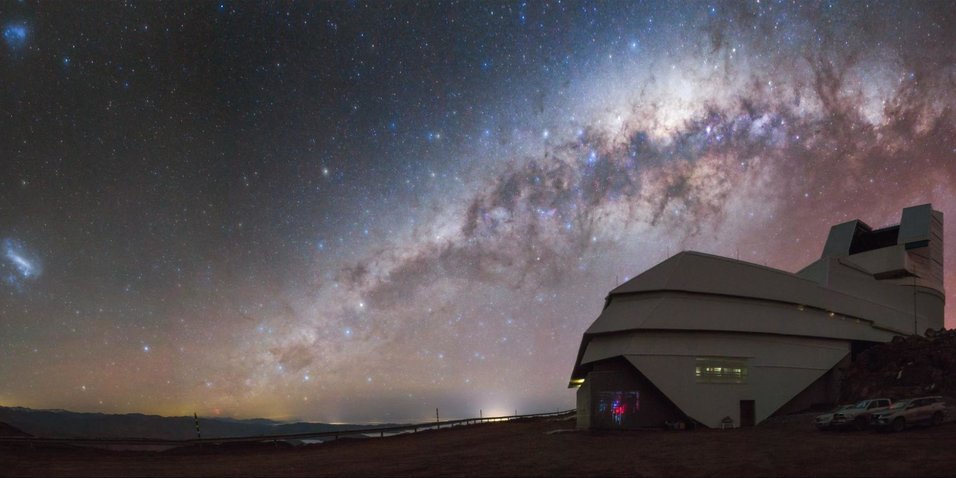
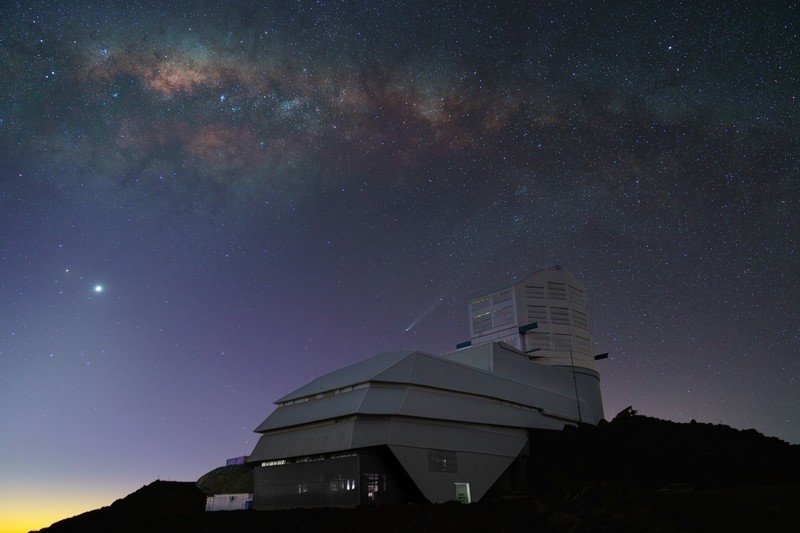
The year 2026 is already off to an exciting start! On Tuesday night, the data deluge from the NSF-DOE Vera C. Rubin Observatory and its incredible 3.2 Gigapixel LSST Camera built at SLAC began. The team for the first time released the "alert stream," which characterizes all of the changes in the night sky. These alerts range from asteroids roaming our solar system to stars exploding millions of lightyears away to the truly unknown phenomena that are still waiting to be discovered. In the first night there were already 800,000 alerts!
Meanwhile, preparations for the Legacy Survey of Space and Time continue apace, with its kickoff coming later this year. We are at the dawn of a new era in advancing our understanding of the cosmos and could not be more proud of the work of so many people at KIPAC and colleagues around the world that helped make this happen over the years.
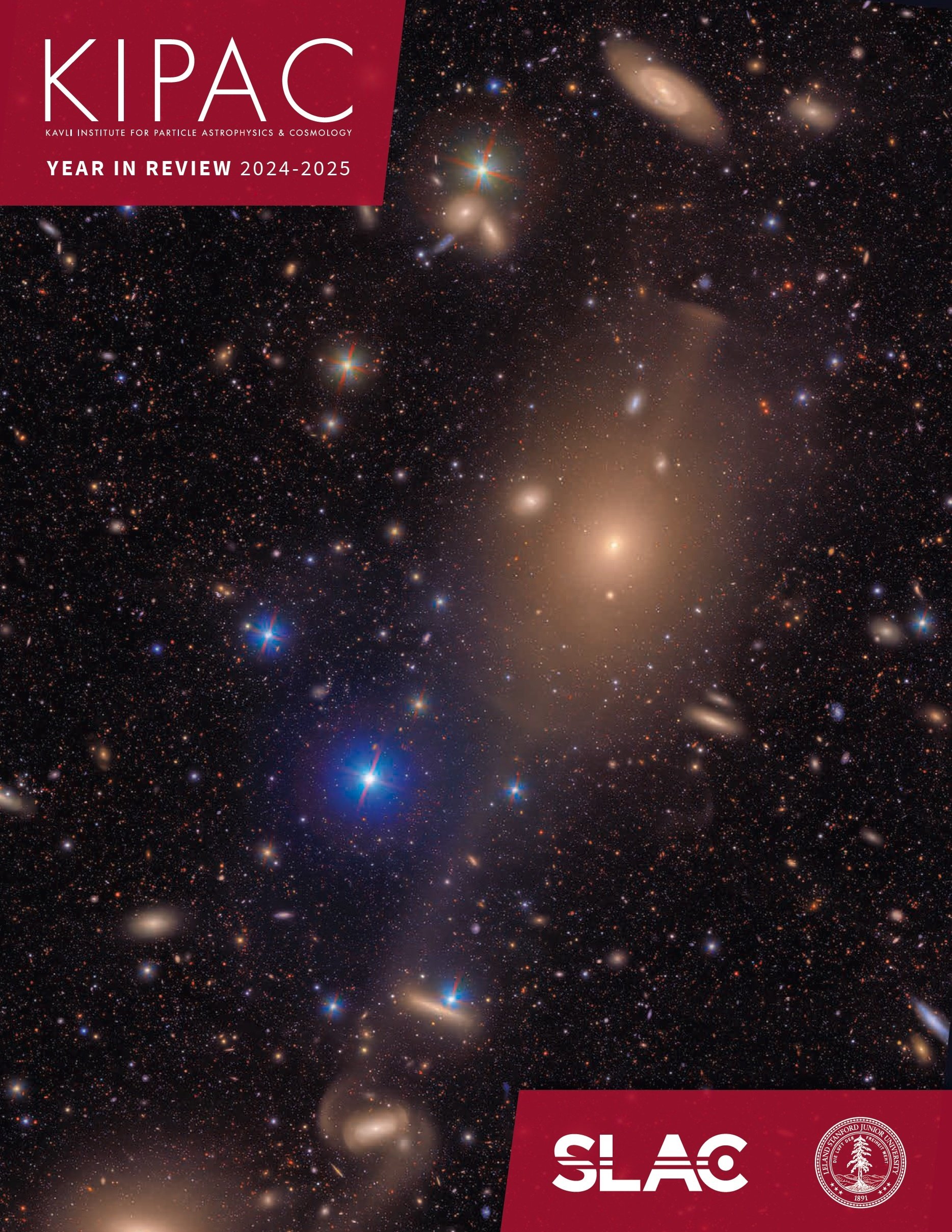
This newsletter includes a link to our 2024-25 Year in Review, which highlights the mind-blowing images from Rubin First Look, our partnership with Stanford Data Science on the Center for Decoding the Universe, our new engagement with the Magellan Observatory, and highlights new faculty, staff, and postdoctoral fellows.
While challenges remain in public support for and trust in science, I continue to be optimistic about what the future holds for our science and our community. I am incredibly proud of the science, engineering, and technology development and innovation our members are driving, and in the recent discoveries made by our community. Looking forward to an even more incredible year with the new data coming our way.
Wishing you and yours all the best in 2026,
Risa Wechsler
Director, Kavli Institute for Particle Astrophysics and Cosmology
Stanford University and SLAC National Accelerator Laboratory
NSF-DOE Vera C. Rubin Observatory launches alert stream
The NSF-DOE Vera C. Rubin Observatory, jointly funded by the U.S. National Science Foundation and the U.S. Department of Energy's Office of Science, has launched its alert stream, calling scientists’ attention to new asteroids, exploding stars and other changes in the night sky. Eight hundred thousand (800,000) alerts were released in the first night, marking a critical milestone for a key Rubin discovery engine expected to eventually produce up to 7 million alerts per night.
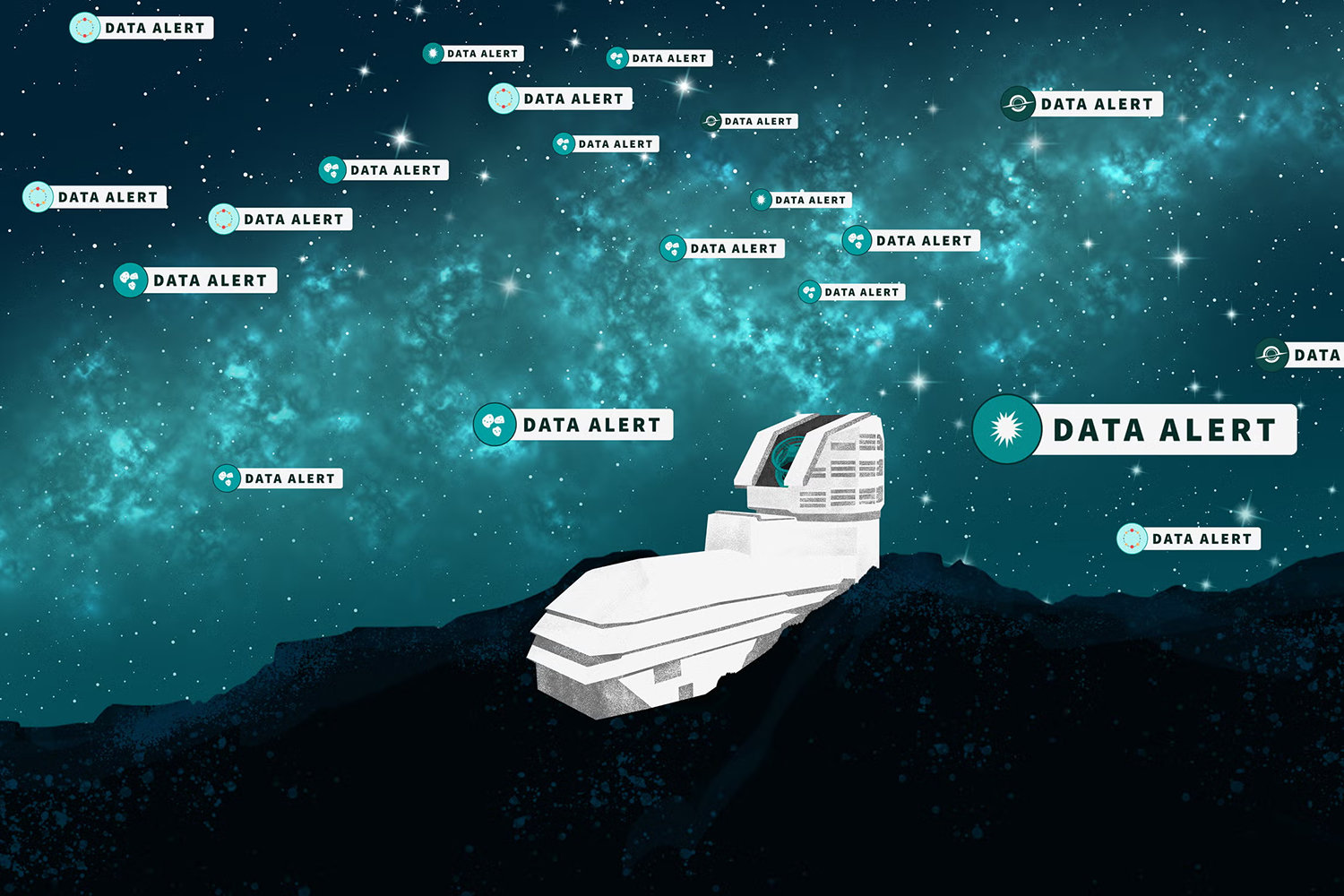
Among the first alerts are detections of supernovae, variable stars, active galactic nuclei, and objects such as asteroids whizzing around our solar system. The beginning of scientific alerts is one of the last major milestones before Rubin Observatory begins its Legacy Survey of Space and Time (LSST) later this year. During the LSST, Rubin will scan the Southern Hemisphere sky nightly for 10 years to precisely capture every visible change using the largest digital camera ever made. These alerts will chronicle the treasure trove of scientific discoveries that Rubin will make through its time-lapse record of the universe. In the first year of the LSST, Rubin is expected to capture images of more objects than all other optical observatories combined in human history.
KIPAC researchers are poised to take full advantage of this incredible data set to get at some of the deepest scientific questions about the cosmos. From supernovae that further advance our understanding of the dark energy powering the accelerating expansion of the universe to mergers of black holes that ring out in gravitational waves, our researchers have an opportunity to drive the frontiers of astrophysics thanks to this incredible treasure trove of data. The first step in the incredible journey ahead with Rubin data.
Meet Our New Senior Member

Congrats to Our Graduate Fellows

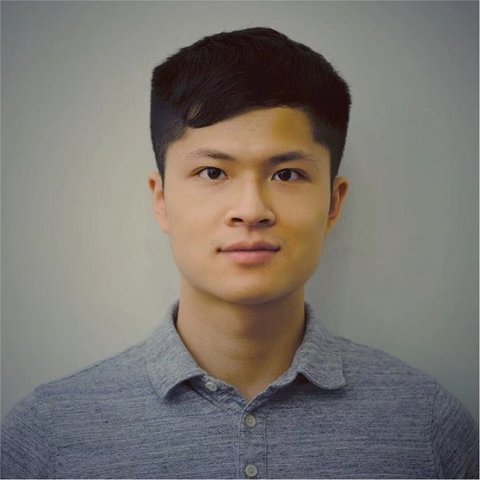
Congratulations to Minjie Lei and Sydney Erickson for being named the inaugural KIPAC 2MB Graduate Fellowship for their "innovative work using statistical and numerical techniques applied to astrophysics.”
Inspiring the Public and Future Generations
Beyond our regular public engagement programming, KIPAC is excited to share two updates highlighting our efforts to inspire the public and K-12 students in astrophysics:
KIPAC has just received its second grant from Stanford’s Office for Community Engagement to launch a summer research fellowship for high school STEM teachers. This project continues building on our partnership with the East Side Union High School District (ESUHSD), which serves nearly 25,000 under-resourced students across 19 schools and with whom we previously held an active Impact Fund grant, as well as Ignited Education, a local nonprofit. Through the program, teachers will conduct cutting-edge summer research at KIPAC, develop standards-aligned curriculum based on that work, and teach the new curriculum in their classrooms during the following academic year, strengthening students’ scientific thinking and practices while serving as role models in science. The grant will support three ESUHSD teachers with research and curriculum-development stipends, along with opportunities to engage in seminars and community-building activities.
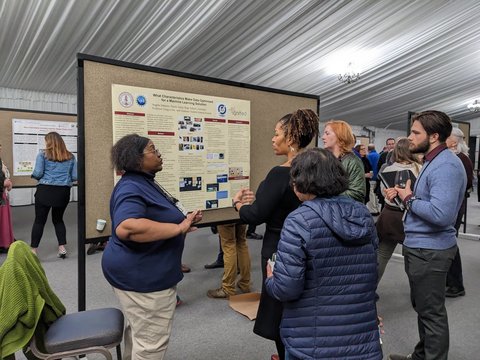

KIPAC is partnering with local community colleges, science museums, and astronomical societies that already have established public programs and audiences to deliver public lectures focused on the Rubin Observatory across the Bay Area. We expect to offer about one lecture per month at partner sites throughout 2026. With the First Look images from the Rubin Observatory released last year and the first batch of scientific data from the LSST camera expected soon, this year is an especially exciting moment for the public to learn what Rubin will enable for astronomy, along with new opportunities for students to work hands-on with real Rubin data.
Is your group interested in co-hosting? Please contact Xinnan Du (xinnandu@stanford.edu) to start a conversation about how we can collaborate on this exciting effort!
We have an exciting lineup of events coming this quarter and look forward to seeing you at one or more of our events! Want to be notified when we have an event scheduled? Sign up for the KIPAC outreach mailing list and we will be touch!
KIPAC Annual Report 2024-2025
KIPAC in the News
- SLAC Experts Explore dark energy and cosmic mysteries Jan. 23, 2026 | Stanford Report
- Stanford PhD Student Bernardita Ried Guachalla Studies Cosmos Using Rubin Observatory Dec. 15, 2025 | Stanford Office of the Vice Provost for Graduate Education
- A New Era Begins: First Images fromthe Legacy Survey of Space and Time (LSST) Nov. 3, 2025 | The Kavli Foundation
Research Blog Posts
- Nature's Ultimate Particle Accelerators Jan. 29, 2026 | Research Highlight by Paul Simeon
- Observing the Beginning of the Universe at the Bottom of the World Oct. 30, 2025 | Research Highlight by Brianna Cantrall
- Piercing the Veil of the Atmosphere to Measure "Cosmic Shear" Oct. 22, 2025 | Research Highlight by Theo Schutt